Proposal
This proposal presents the technical project I plan to implement during my internship and the practical value it brings to my team.
MyFit - Fitness Management Platform
A Comprehensive AWS Cloud Solution for Personal Health & Fitness Tracking
1. Project Overview
MyFit is a comprehensive technology platform designed to accompany users on their health management and training journey. To deliver the smoothest and most reliable experience, the system is built on 3 core infrastructure layers:
- User Experience (Frontend): An intuitive, user-friendly application interface that helps users easily track progress, personal metrics and interact with features.
- Central Processing System (Backend): A powerful data processing platform ensuring accuracy, real-time synchronization and maximum protection of user information.
- Operational Infrastructure (Cloud Infrastructure): The system is fully deployed on AWS cloud computing infrastructure.
By adopting cloud managed services, MyFit not only optimizes operational costs but also commits to delivering a system that operates stably 24/7. This architecture ensures the application is always ready to scale flexibly to meet the ever-growing user base in the future without disrupting the user experience.
2. Objectives
2.1. Overall Objectives:
- Build a fitness app system capable of serving mobile/web simultaneously.
- Build a fitness platform operating stably on AWS infrastructure.
- Ensure availability and scaling capability according to cloud resources.
- Ensure seamless user experience from login to health metric tracking
- Establish clear, repeatable deployment processes and reduce operational errors
2.2. Specific Output Objectives:
- Secure backend API using JWT Cognito
- Frontend access via CloudFront with fast and stable loading
- Dashboard/charts for health and workout data tracking
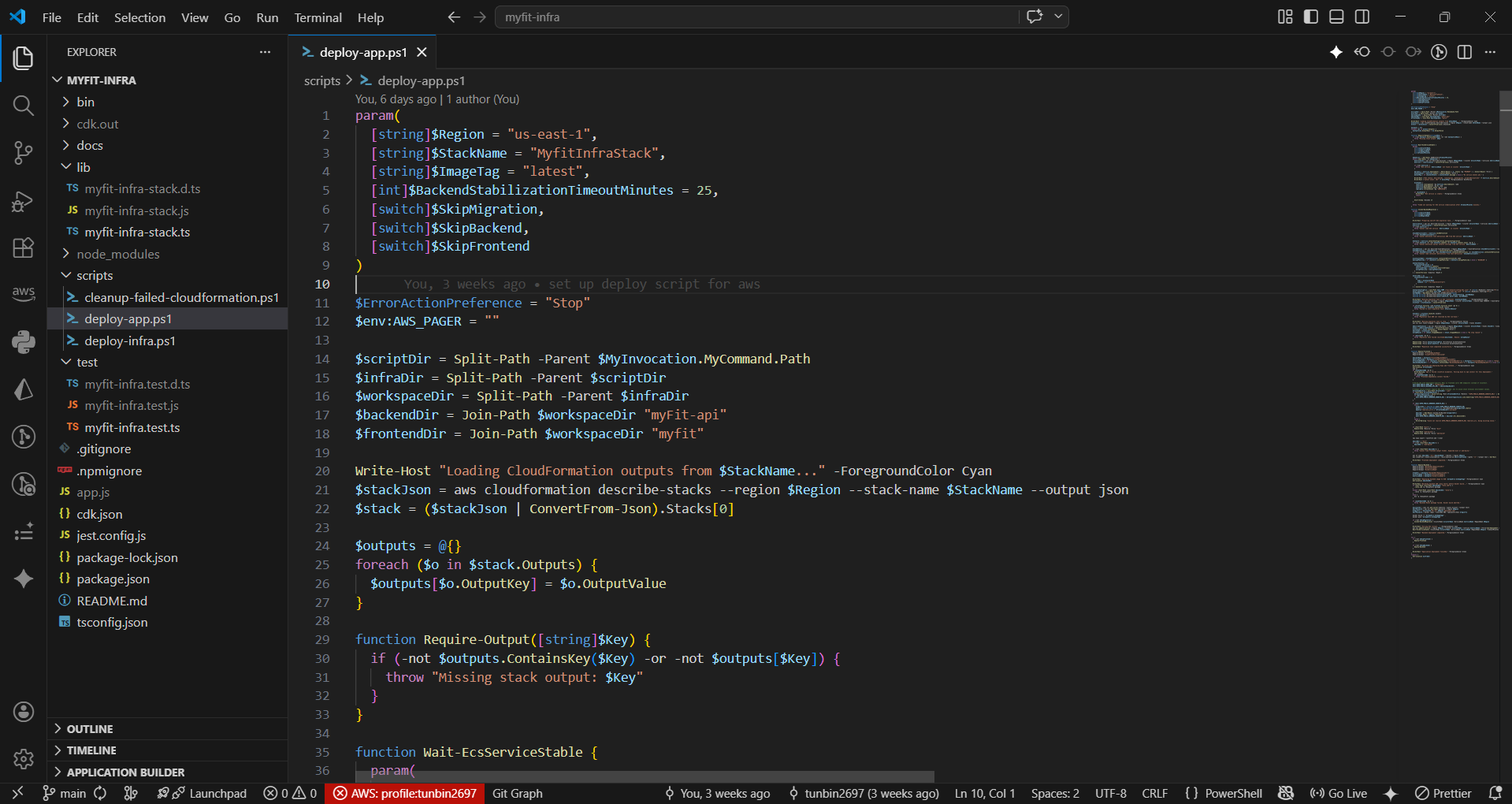
- Separated infra and app deployment process with rollout status tracking capability
3. Problems to Address
Key issues the project needs to handle:
- Integration Issues: frontend, backend and infrastructure need synchronized environment configuration
- Security Issues: prevent credentials exposure, control API access, restrict unnecessary public resources
- Operational Issues: need log/health observation to detect errors early during deployment
- Scalability Issues: ensure system handles load well when user numbers increase
4. Solution Architecture
4.1. Concept and Objectives
Context and Problem Statement
The system is built to meet personal health management and training plan needs.
What is the system used for:
- Manage user profiles and synchronize login information
- Track body metrics, calculate health indicators
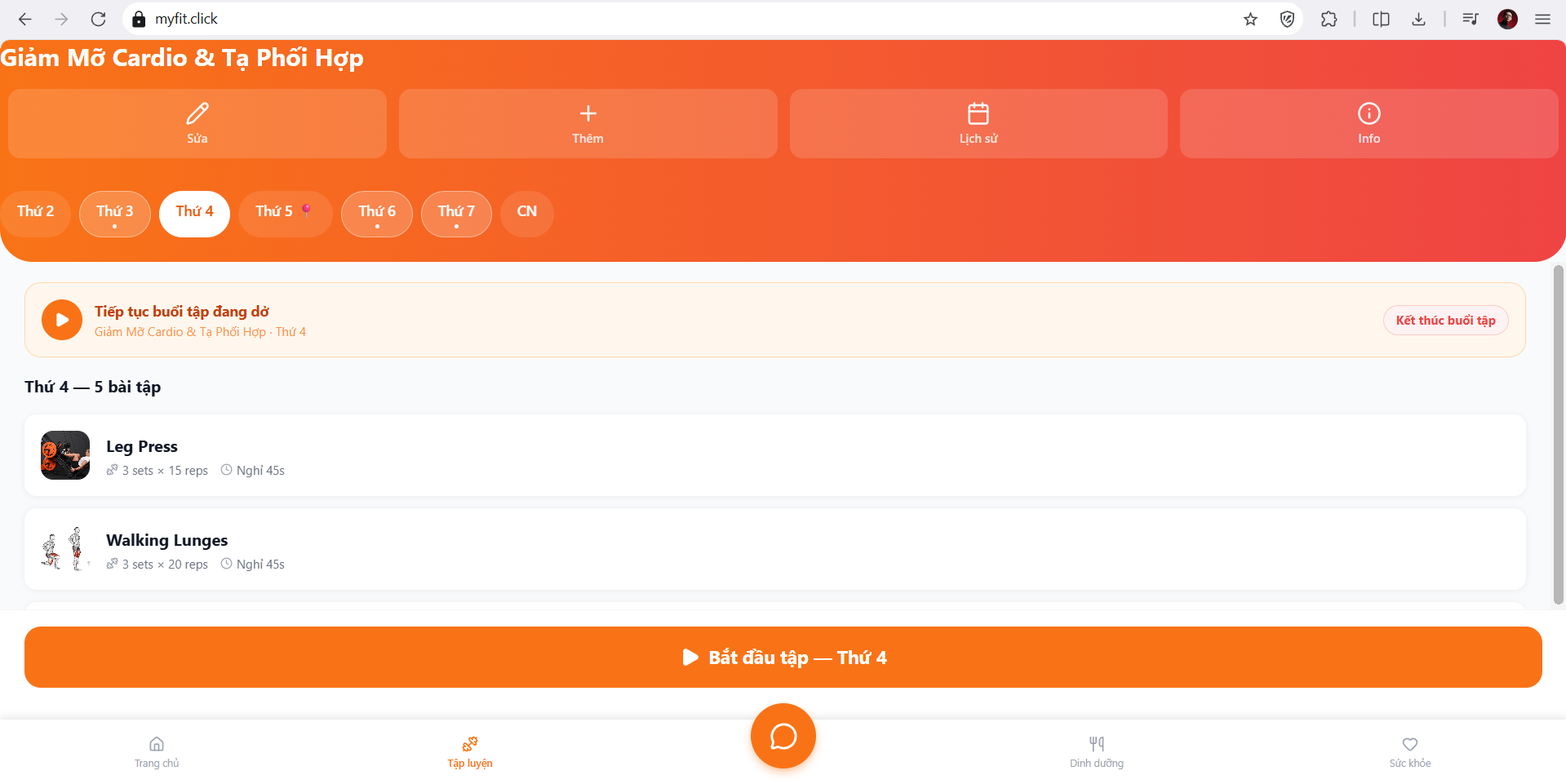
- Manage training plans, sessions and training logs
- Manage nutrition data by meal and by day
Who are the customers:
- Individual users needing to track health and fitness
What problems does it solve:
- Unify health data in a single platform
- Reduce manual operations through API and real-time applications as needed
- Ensure system can be deployed, operated and scaled on AWS
Use-case aligned with FCAJ/AWS:
- This is a clear cloud-native use case closely aligned with AWS managed services
- Stays on topic by focusing on deploying secure, scalable applications on AWS infrastructure
Specific Objectives and Success Criteria
Expected Outputs:
- Frontend application served via CloudFront
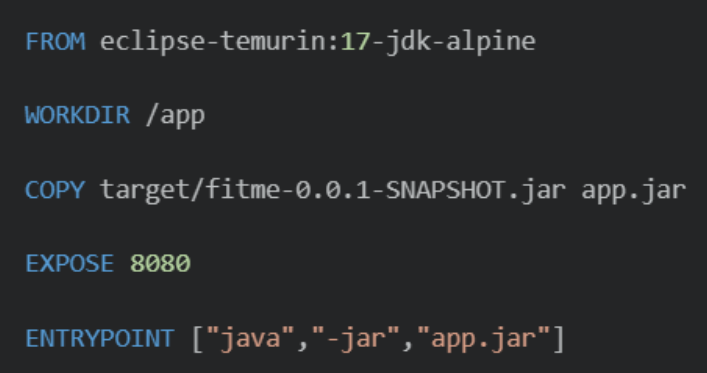
- Stable backend API running on ECS Fargate
- User authentication via Cognito Hosted UI and JWT
- Centralized logging via CloudWatch
Success Evaluation Criteria:
- Users successfully log in and call main APIs
- Core workflows (workout, health metrics, nutrition) work end-to-end
- ECS service rollout succeeds and reaches stable state
- Can quickly trace errors via logs and health checks
4.2. System Architecture:
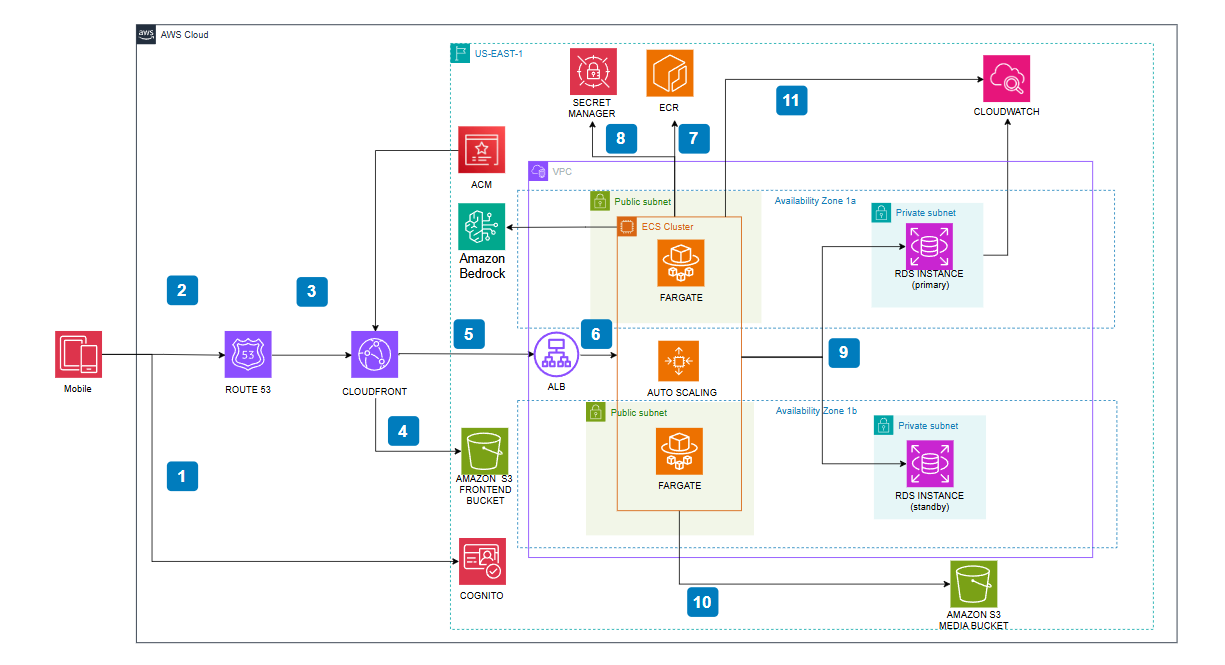
4.3. Main Data Flows:
- Authentication: Mobile app connects directly to Amazon Cognito for identity management and login.
- Access & Distribution: User requests go through Route 53 (DNS) to CloudFront (CDN).
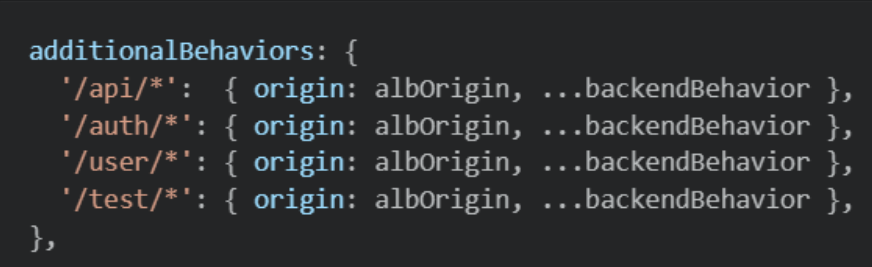
- Request Routing: CloudFront serves static interface from S3 Frontend Bucket (for web) or routes API requests through ALB.
- Backend Processing: ALB load balances and forwards API requests to Spring Boot containers running on ECS Fargate.
- Task Initialization: ECS Fargate retrieves container image from ECR and security information (DB password, API key) from Secrets Manager.
- Data Storage: Fargate executes business logic, reads/writes data from RDS PostgreSQL and handles files with S3 Media Bucket.
4.4. AWS Services Selection and Rationale:
Services currently used in the project:
- Amazon CloudFront: Content distribution (CDN), reduces latency, consolidates public endpoint for both frontend and API routing.
- Amazon S3: Persistently stores static frontend and media files at low cost.
- Application Load Balancer (ALB): Handles HTTP/HTTPS load balancing for backend services running on ECS.
- Amazon ECS Fargate: Runs backend containers in managed mode, enabling automatic scaling without physical server management.
- Amazon RDS PostgreSQL: Fully managed relational database, perfect for storing high-constraint business data.
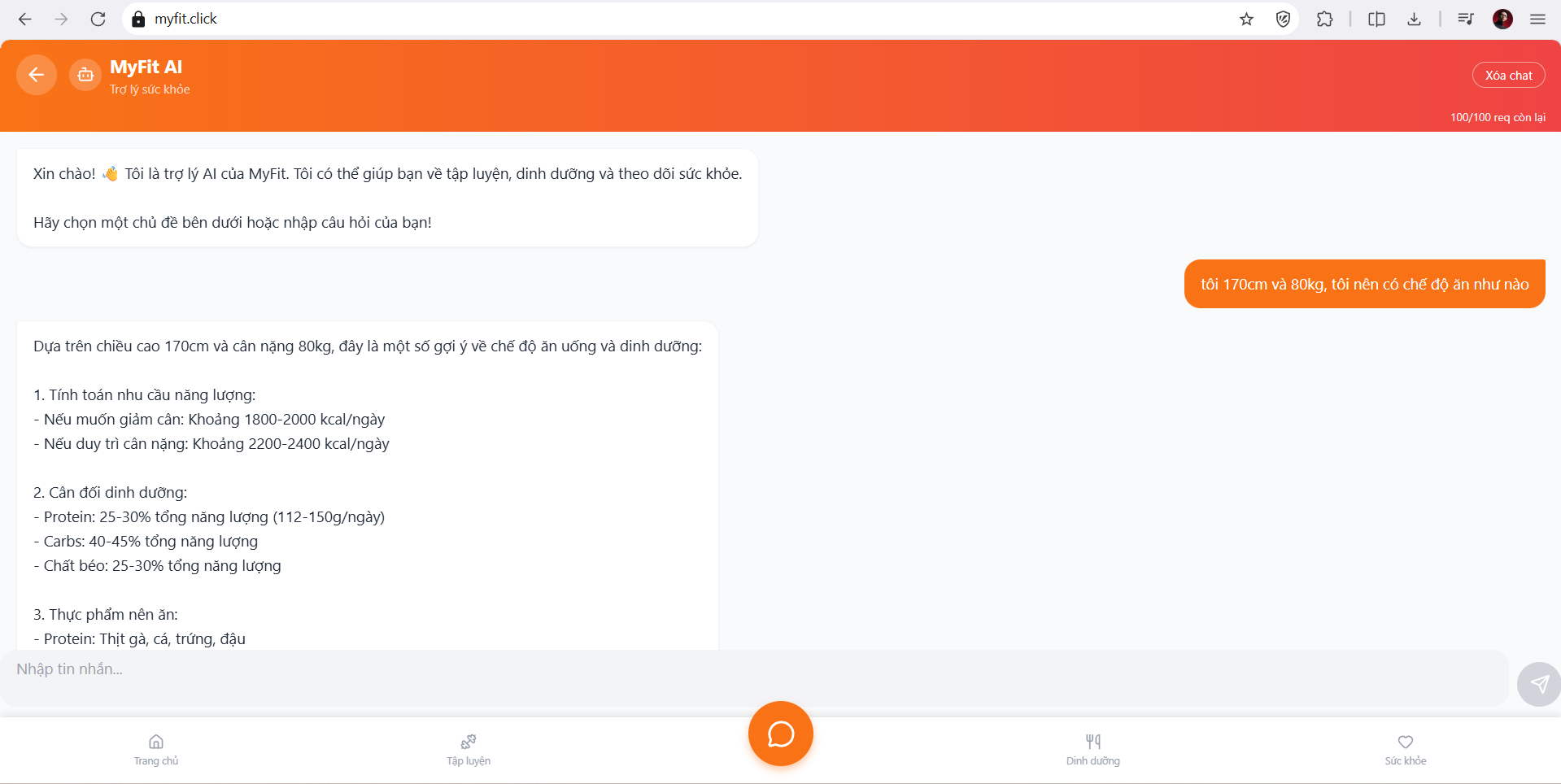
- Amazon Bedrock: Integrates intelligent chatbot for application to support user interaction.
- Amazon Cognito: Provides user authentication solution, reducing time and cost to build custom identity management.
- Amazon ECR: Safely stores and manages backend container images.
- Amazon CloudWatch: Centralizes system logging, supports performance monitoring and operational alerting.
- AWS Route 53 and ACM: Manages domain and provides/auto-renews TLS certificate for secure HTTPS access.
Why not Lambda/API Gateway at this stage:
- Backend is currently a monolithic Spring Boot application, suitable for long-term container model on ECS
- Reduces effort to break into serverless functions in early phases
- Optimizes delivery time and simplifies initial operations
4.5. Security and Basic IAM:
Principles Applied:
- Principle of Least Privilege for runtime roles
- No hard-coded access keys in source
- Restrict public resources at data layer
Current Security Implementation:
- ECS Task Execution Role uses standard policy for image pull/logging
- ECS Task Role grants only necessary read/write permissions for media bucket
- DB secret retrieved from Secrets Manager instead of hard-coded
- RDS placed in private subnet, not public
- ALB restricts traffic from CloudFront prefix list
- Backend only accepts valid access tokens from Cognito.
4.6. Scalability and Operations:
Scaling:
- ECS auto scales based on CPU, current config min 2 and max 4 tasks
- Layered architecture separating CloudFront and ECS for independent frontend/backend scaling
Logging and Monitoring:
- CloudWatch Logs for backend containers
- RDS export logs to track queries/DB errors
- ALB health check endpoint to detect unhealthy instances
4.7. Management and Automated Deployment Process (CI/CD & IaC)
To optimize operational time and minimize manual errors, the system applies infrastructure-as-code and automated deployment:
- Infrastructure as Code (IaC) with AWS CloudFormation: All AWS resource configurations are defined and centrally managed through code, ensuring consistency and rapid synchronization between environments.
- Continuous Deployment (CI/CD): Applies Dev → GitHub Actions → Amazon ECS workflow to automate application release:
- Dev: Update and push source code to GitHub.
- GitHub Actions: Automatically triggers Docker image build and pushes to Amazon ECR.
- Amazon ECS: GitHub Actions calls ECS service update. ECS Fargate automatically pulls latest image and replaces old containers without service interruption (Rolling Update)
5. Code Snippets
5.1 Dockerfile Backend
5.2 CDK Route API Through CloudFront
5.3 Script Deploy App
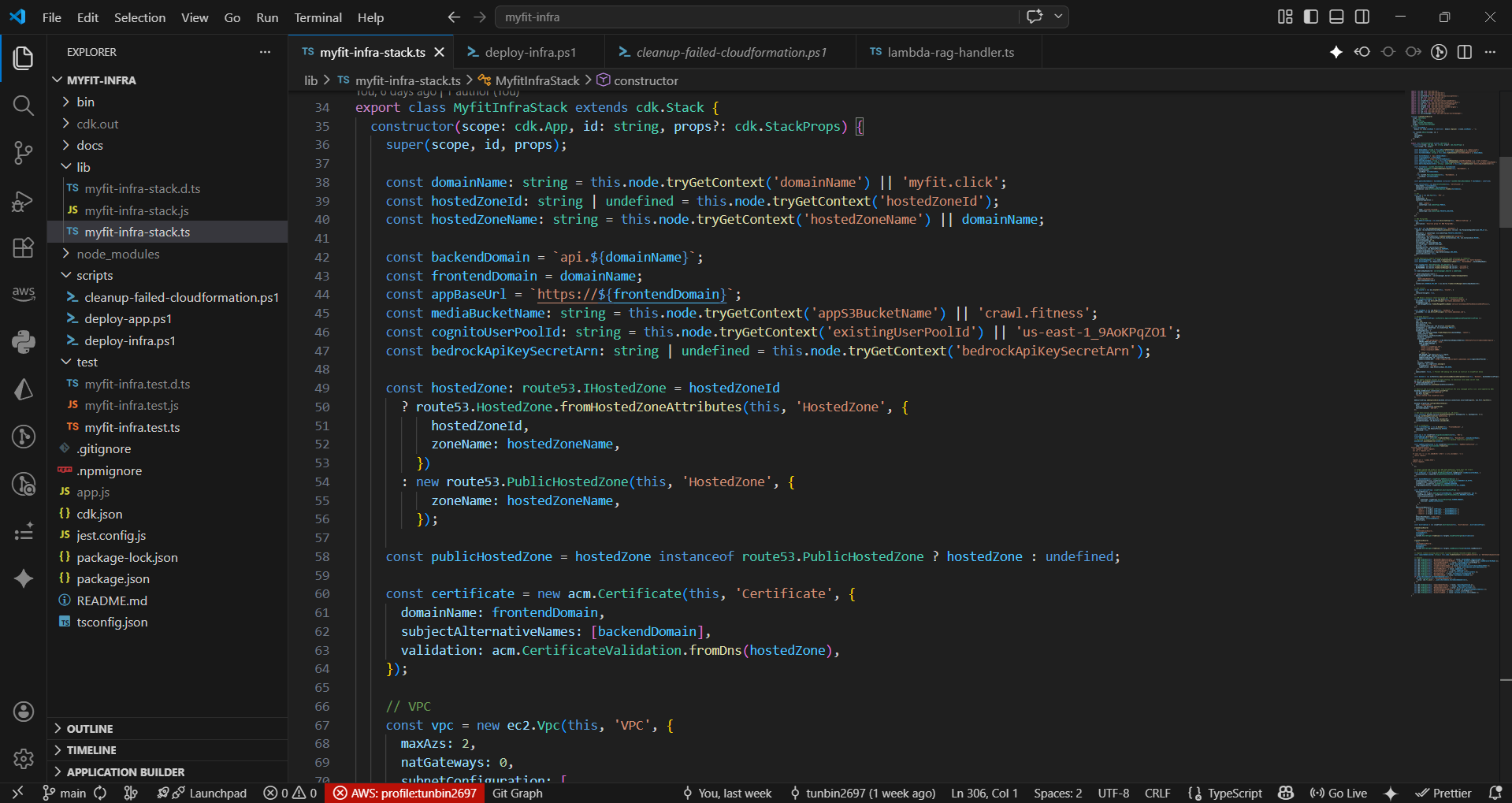
5.4 Stack Initialization
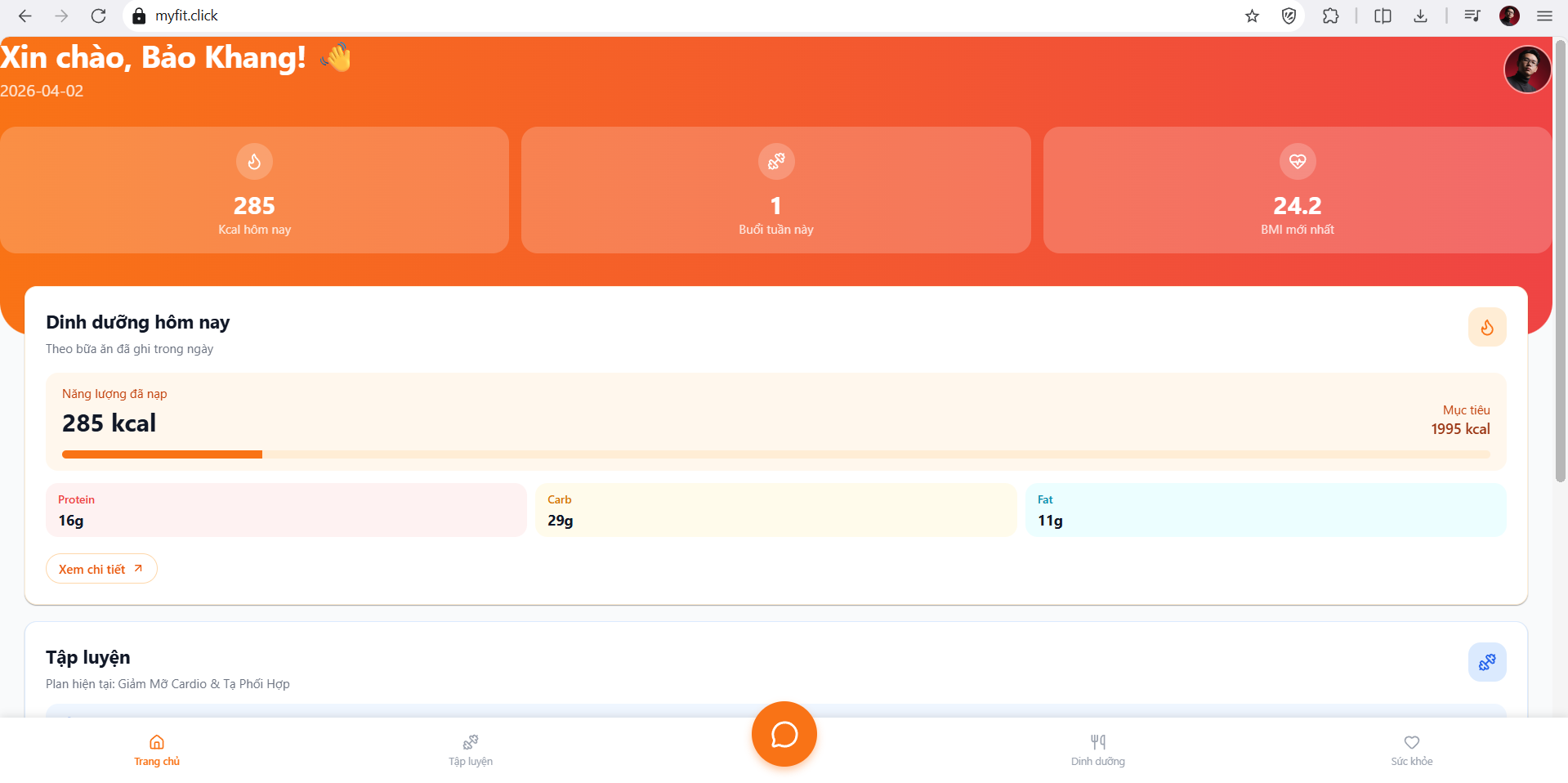
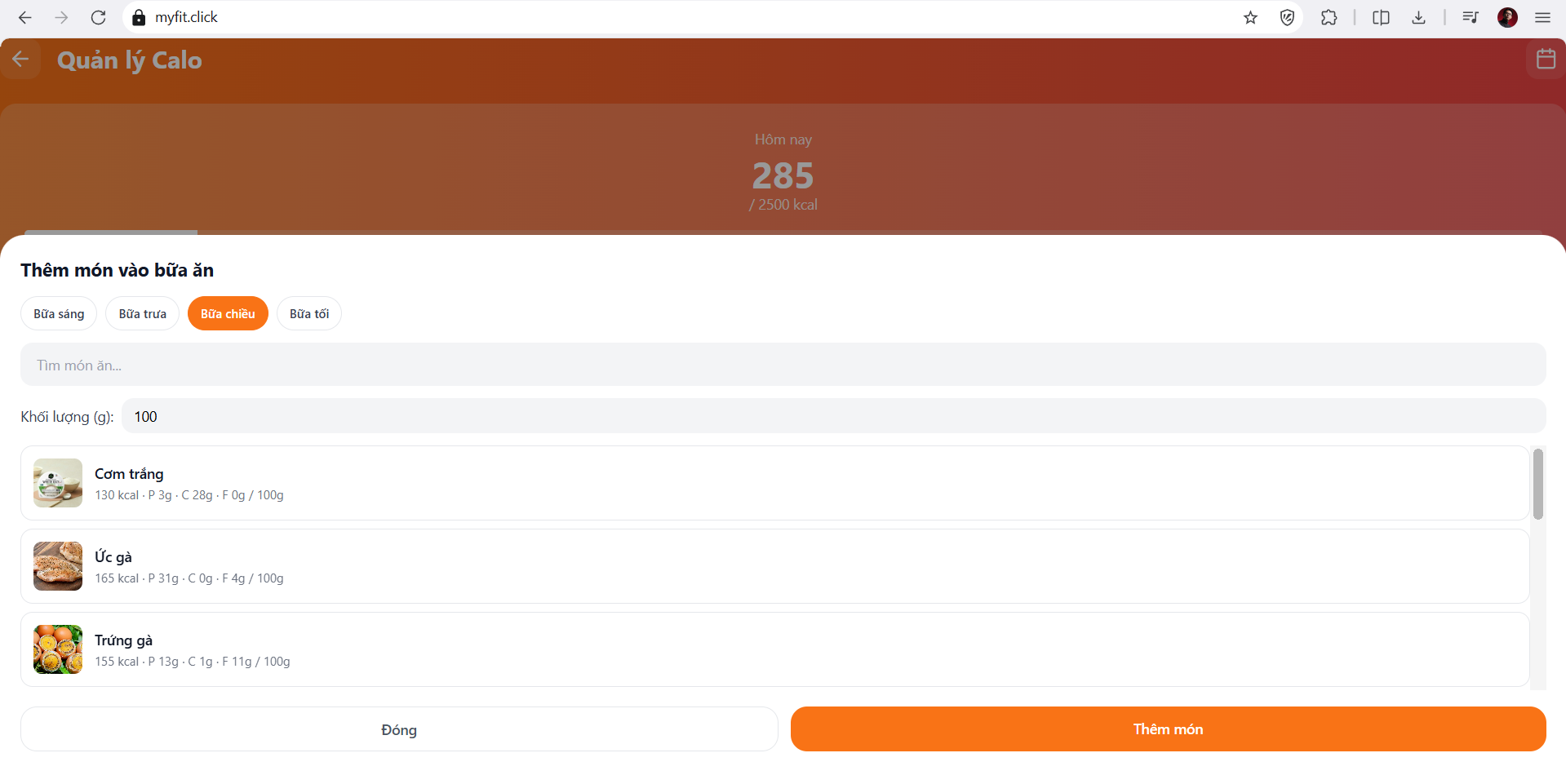
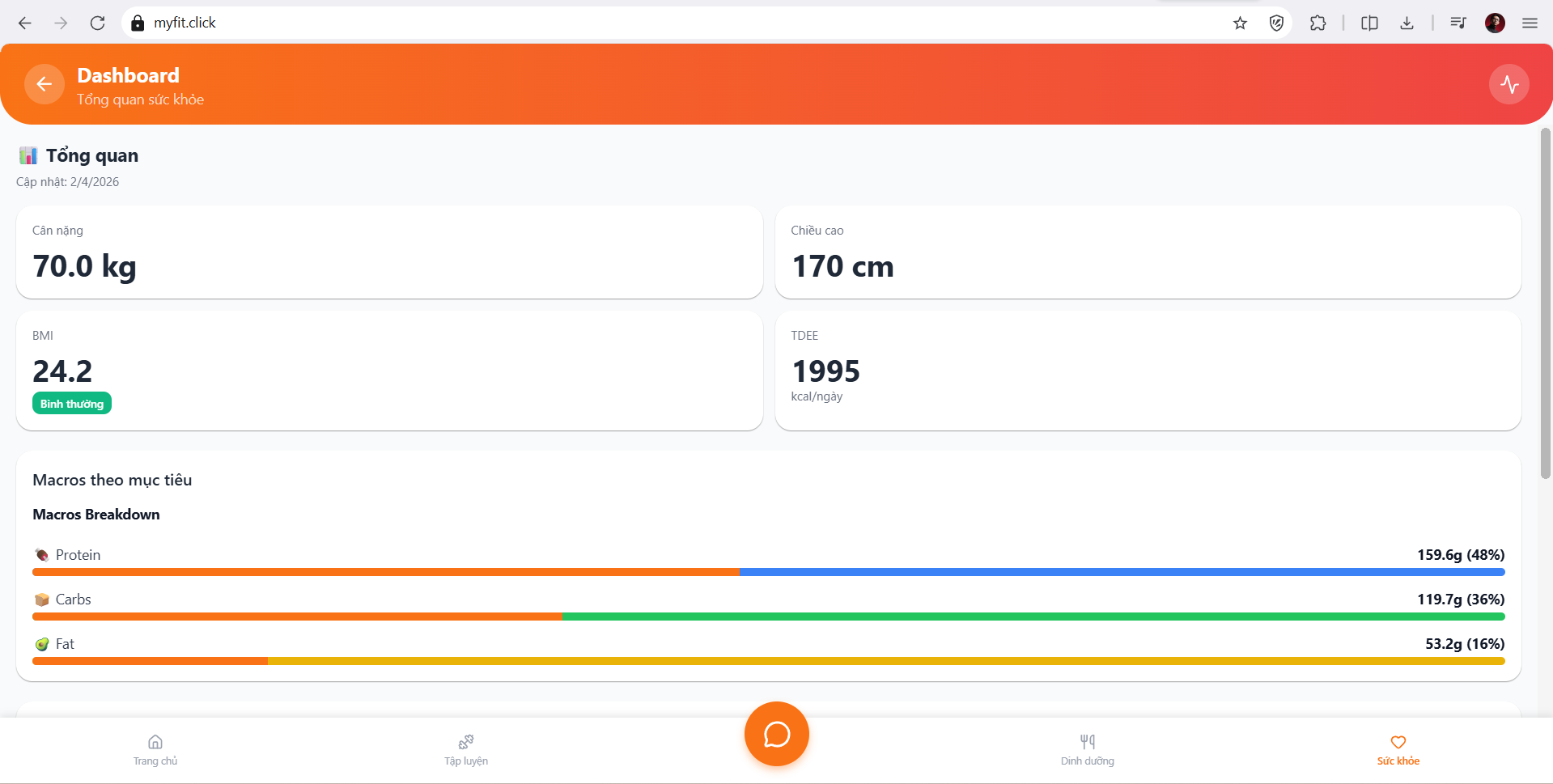
5.5 App Screenshots:
6. Budget Estimation
Region: us-east-1:
| Item | Service | Actual Configuration | Estimated/Month |
|---|---|---|---|
| Frontend CDN | CloudFront | 1 distribution, ~10GB transfer/month | ~1-5 USD |
| Static hosting + Media | S3 | 2 buckets (frontend + media), ~10GB | ~0.5-2 USD |
| Backend compute | ECS Fargate | 2 tasks × 0.25 vCPU × 0.5 GB RAM, 24/7 | ~15-20 USD |
| Database | RDS PostgreSQL | t4g.micro, Multi-AZ, GP3 20GB, PostgreSQL 15 | ~30-35 USD |
| Container registry | ECR | 1 repo, ~1GB image storage | ~0.1-1 USD |
| Logging & Monitoring | CloudWatch | Container Insights + logs 1 week retention | ~5-15 USD |
| Secrets Manager | Secrets Manager | 2 secrets (DB credentials & Bedrock API) | ~1 USD |
| Load Balancer | ALB | 1 ALB, ~10 LCU/month | ~18-22 USD |
| User authentication | Cognito | MAU ≤ 50,000 (free tier) | ~0 USD |
| DNS + Certificate | Route 53 + ACM | 1 hosted zone, ACM free | ~0.5-1 USD |
| Chatbot | Bedrock | ||
| Total Reference | Full System | ~71-100 USD/month |
Notes:
- Configuration does not use NAT Gateway (natGateways=0), saving ~32 USD/month compared to architecture with NAT
- Actual costs depend on traffic, log volume, data transfer and number of active users
7. Risks and Mitigation Solutions
| Risk | Impact | Priority | Mitigation Direction |
|---|---|---|---|
| Exposure of sensitive information in internal documents | High (security, compliance) | P0 | Remove secrets/tokens from documents, rotate secrets, use Secrets Manager and IAM roles |
| Path/frontend workspace mismatch in deploy script | Medium-High (deploy fails) | P0 | Standardize frontend directory names in scripts, add path existence pre-checks |
| Configuration drift for CORS/OAuth callback between FE-BE | High (login errors, 403) | P0 | Synchronize environment contracts, add smoke tests after deployment |
| Inconsistent health check endpoints | Medium | P1 | Standardize a single health endpoint for ALB + app |
| Increased costs due to transfer/CDN with traffic spikes | Medium | P1 | Set budget alarms, optimize cache policies |